

News
Vehicle data: an increasingly valuable source of evidence for investigations
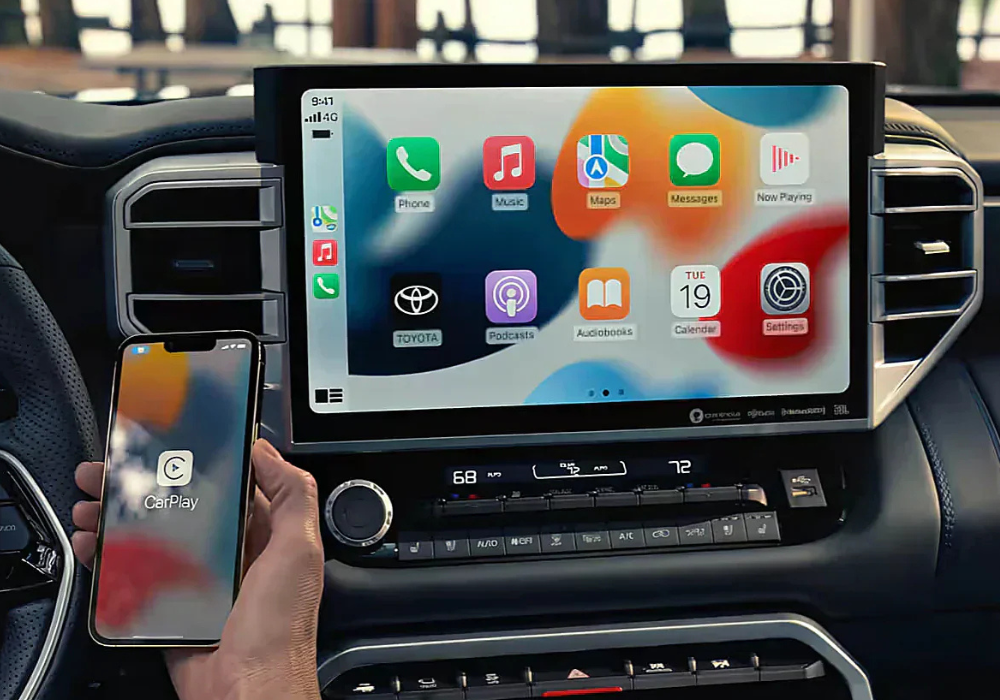
Vehicle data has quietly become one of the most valuable sources of evidence for investigators. Modern infotainment systems record where a vehicle has driven, what devices have been connected to it, and what events the system has recorded during use. This information can be key to reconstructing chronologies, confirming the involvement of individuals, and supporting the statements of suspects and witnesses.
Just as smartphones became indispensable for digital investigations over the last decade, today vehicles generate a growing volume of data that complements information obtained from phones and other sources, or even replaces it when a mobile device is unavailable or inaccessible.
Until recently, the problem was that accessing this data required highly invasive, time-consuming and technically complex techniques, which prevented most agencies from incorporating this type of analysis as a regular part of their investigations. In addition, more and more systems protect information through encryption, making it even more difficult to access.
That is changing. And for laboratories and researchers who have not yet incorporated vehicle-derived evidence into their workflow, now is the time to do so.
What evidence do infotainment systems store?
Today's infotainment systems contain three main categories of evidence:
- Location and displacement data:GPS history, historical coordinates and trip logs that locate a vehicle at specific locations and times.
- Device and contact associations:linked phone records, contact lists, call history and message fragments that link specific people to the vehicle.
- Eventos e interacciones del sistema:actions taken in and around the vehicle at key moments, such as door opening, media activity, and other system events.
When this information is combined with data from cell phones, call logs, automatic license plate readers and other digital sources, vehicular evidence becomes a powerful corroboration tool that fills in gaps and strengthens the overall picture of an investigation.
And as vehicles become more connected, the amount and complexity of the information they store also increases, making traditional acquisition methods less and less effective.
Why are traditional methods no longer enough?
Automotive technology is evolving in a similar way to how mobile phones did. Infotainment systems are becoming more sophisticated, the information they contain has greater investigative value and, at the same time, the barriers to obtaining it using traditional techniques increase.
Conventional vehicle forensics requires physically removing the infotainment unit from the dashboard to extract data. This procedure requires highly specialized knowledge and years of practical experience.
In addition to consuming full days of work for a specialized expert, the procedure carries a significant risk of damaging the vehicle. When that risk cannot be justified, many agencies simply choose not to perform the extraction.
This occurs especially when the vehicle belongs to a victim or a witness, since any damage to the unit represents an economic liability for the institution, and could involve costs of several thousand dollars, without considering labor.
There are cases in which an invasive extraction remains the only possible alternative and the seriousness of the investigation justifies even the partial destruction of the vehicle. However, many investigations could benefit from incorporating evidence from vehicles belonging to victims, witnesses, or even suspects who are subsequently ruled out of the investigation.
The reality is that vehicle forensics has been limited to a small group of specialists. Most agencies do not have experts in techniques such aschip-off. And even when the information is extracted, encryption can prevent access to its content.
Furthermore, when useful evidence is finally obtained, it is not automatically integrated with the rest of the investigation, but requires additional analysis processes.
The result is clear: potentially decisive evidence is left out of investigations and timelines end up incomplete.
How Magnet Autokey Simplifies Vehicle Evidence Acquisition
Instead of disassembling vehicle components or relying on highly trained specialists,Magnet AutokeyIt plugs directly into the vehicle's USB port and extracts evidence from the infotainment system in a matter of minutes, without resorting to invasive procedures that could damage the car.
This allows a greater number of experts to make purchases, rather than relying solely on the small pool of specialists available in most laboratories.
But one of its main advantages appears after the acquisition.
Autokey is fully integrated withMagnet One, so the evidence obtained from the vehicle is automatically incorporated into the same environment where investigators already analyze information from mobile devices, computers and cloud services.
Thanks toMagnet Review, investigators can begin reviewing vehicle data in near real-time, along with the rest of the evidence in the case.
This integration significantly changes the way we do research. When vehicle GPS data appears alongside mobile phone location history and cell tower records within a single platform, correlations that previously could take days to discover now appear in a matter of minutes.
Information obtained through Magnet Autokey can also be incorporated into cases ofMagnet Axiom, taking advantage of all its data analysis, correlation and visualization capabilities, including tools such asAnimated RoutesandWorld Map View.
Benefits for agencies
The incorporation of modern vehicle forensic computing solutions allows investigators to obtain a much more complete view of the facts.
This strengthens investigations, whether to support a strong accusation or to quickly prove the innocence of a person who should no longer be considered a suspect.
For laboratories that do not currently perform vehicular forensics, Magnet Autokey removes much of the barriers that kept this evidence out of reach.
For those who already have this capability, it considerably reduces the time between seizing the vehicle and obtaining useful evidence for the investigation.
It's time to incorporate modern vehicle forensics
Data stored by vehicles is not something new. Modern infotainment systems have been generating a valuable digital trail for years.
What is new is the possibility of accessing that information without depending on highly trained specialists and without destroying the vehicle during the process.
For agencies that have not yet incorporated vehicle evidence as a regular part of their investigations, the barrier to entry has never been lower.
The real question now is:Can they afford to continue leaving such a valuable source of evidence out of their investigations?